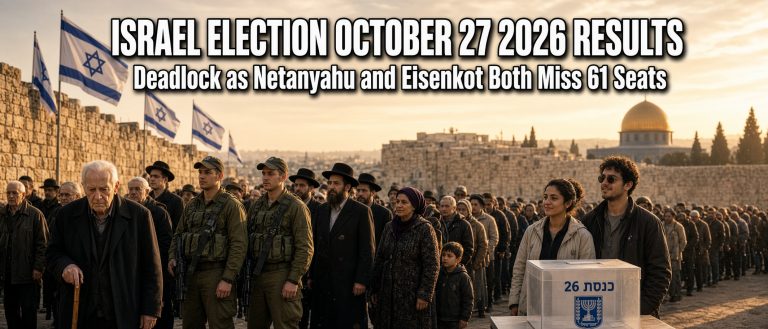
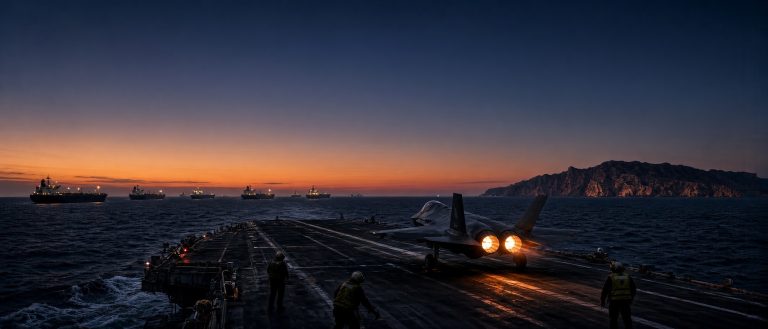
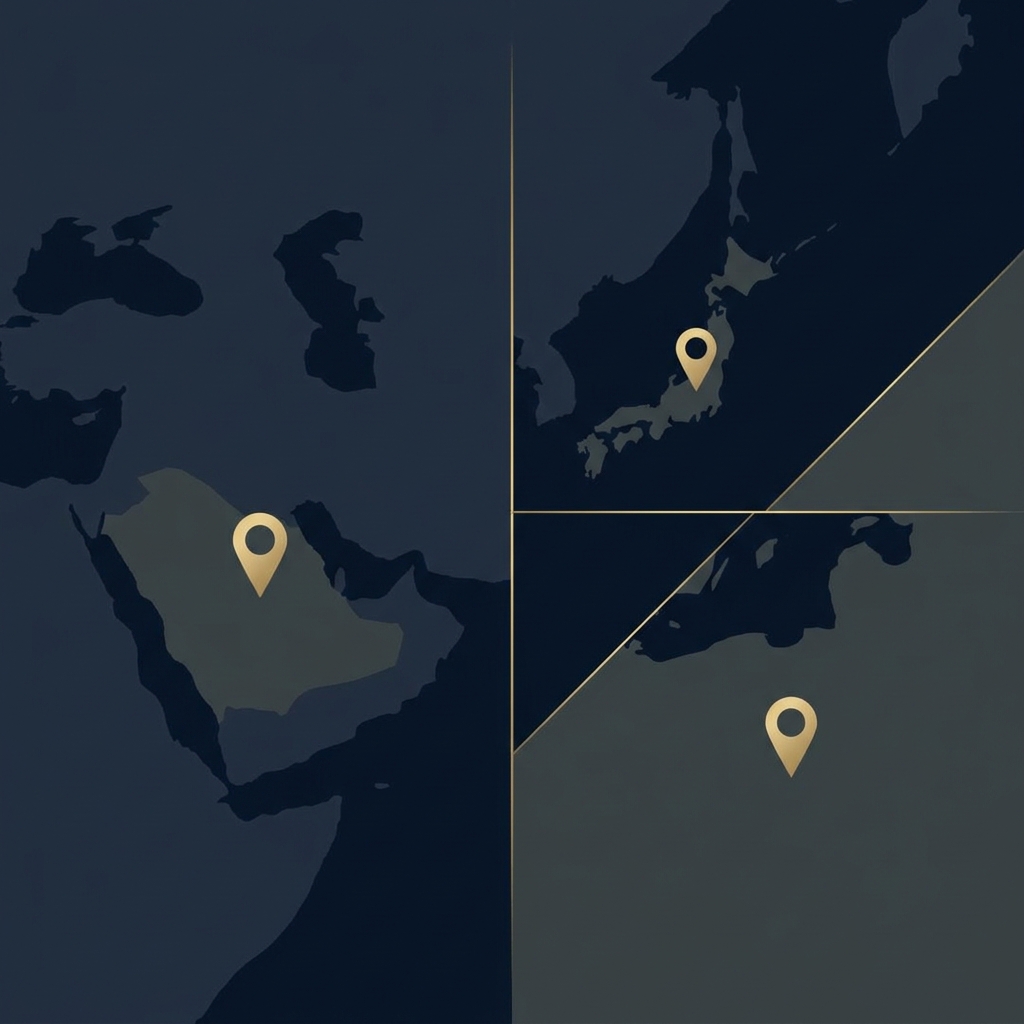
Middle East war prophecy used to sound like something people debated over coffee in church basements while the rest of the world scrolled past. Then came one very sobering weekend. On Sunday, November 8, 2026, falling shrapnel from intercepted missiles damaged an administrative building belonging to Saudi Aramco in Riyadh, a magnitude 5.7 earthquake shook central Japan near Mount Fuji and injured at least 22 people, and Poland woke up to the aftermath of a Saturday afternoon mass shooting in Krakow’s historic Main Market Square that killed six people in the square. Any one of those headlines you could shrug off. Stacked together in a single 24-hour news cycle, they deserve a calm, careful look.
I want to do something a little different in this report, friend. I will give you the numbers, but I will also tell you which ones I could confirm in the original reporting, which ones come with an asterisk, and where the headlines have run ahead of the facts. Some of the figures bouncing around social media are bigger or tidier than the reporting supports, and you deserve the version you can trust.
Here is the path we will walk: what actually happened in Riyadh, central Japan, and Krakow; where the viral summaries need a gentle correction; what Scripture says about wars, earthquakes, and perilous times without turning every news alert into a date-setting chart; and what a believer should do with all of it, which is neither panic nor a shrug. If you are new here, our guides to the biblical signs of the end times in 2026 and the 2026 Iran war and the Ezekiel 38 Hormuz blockade give you the big map. This report is today’s weather.
Confirmed vs. Asterisk: What Actually Happened This Weekend
Zoom out, because the details matter. When three major stories break across three continents in one weekend, it is tempting to flatten them into a single dramatic headline. A watchman owes you precision.
| Event & Location | What Is Confirmed | The Asterisk / Clarification |
|---|---|---|
| Riyadh Missile Interception (Saudi Arabia) | On Sunday, November 8, 2026, Saudi air defenses intercepted incoming missiles over Riyadh. Falling debris caused minor structural damage to a Saudi Aramco administrative building, with zero casualties, per Saudi Gazette and Yeni Safak. | Viral posts claiming “millions sent into emergency shelters” are not confirmed in official Ministry of Energy statements. |
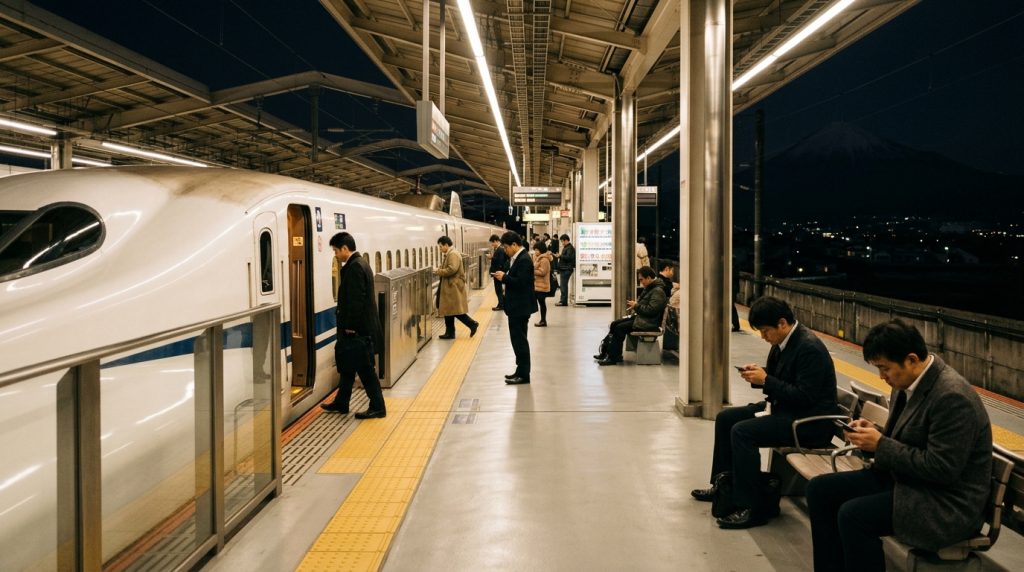
| Central Japan M5.7 Earthquake | At 1:04 a.m. local time on Sunday, November 8, a magnitude 5.7 quake struck western Shizuoka Prefecture at ~40–41 km depth, injuring 22 to 24 people, per The Independent and Beinsure. | Shinkansen bullet trains ran at slower precautionary speeds rather than undergoing a total nationwide emergency shutdown. |
| Krakow Market Square Shooting (Poland) | A 25-year-old Polish gunman fired from a vehicle in Krakow’s Main Market Square, killing 6 people in the square (plus 3 bodies found at his home) and wounding 15–17 others, per Hindustan Times. | The attack occurred Saturday afternoon (Nov 7) rather than Sunday morning, and the confirmed death toll in the square is 6, not 5. |
Sources: Saudi Gazette · Yeni Safak · The Independent · Beinsure · Hindustan Times
Capital Escalation: Why Riyadh Matters
Even with the hype stripped away, targeting an administrative facility of Saudi Aramco in the capital city of Riyadh is a serious threshold. For months, the global oil crisis across the Strait of Hormuz and Red Sea has kept energy markets on edge through drone harassment and maritime warnings. Directing ballistic and cruise ordnance toward the corporate nerve center of the world’s largest crude exporter signals that regional deterrence is fraying.
As we have tracked in our coverage of the Russia-Ukraine missile and drone campaigns, modern warfare increasingly presses against civilian and industrial lifelines. Fortunately, Saudi air defenses intercepted the incoming threat, and no lives were lost. Still, markets and maritime insurers notice when shrapnel hits an Aramco building in Riyadh.
What Scripture Says: Birth Pangs, Not a Countdown Clock
Nearly two thousand years ago, seated on the Mount of Olives overlooking Jerusalem, Jesus gave His disciples a clear diagnostic outline of the age:
“And ye shall hear of wars and rumours of wars: see that ye be not troubled: for all these things must come to pass, but the end is not yet. For nation shall rise against nation, and kingdom against kingdom: and there shall be famines, and pestilences, and earthquakes, in divers places. All these are the beginning of sorrows.” — Matthew 24:6–8 (KJV)
Centuries later, the Apostle Paul added a portrait of the social and moral climate that would run alongside those geopolitical shocks:
“This know also, that in the last days perilous times shall come. For men shall be lovers of their own selves, covetous, boasters, proud, blasphemers, disobedient to parents, unthankful, unholy, Without natural affection, trucebreakers, false accusers, incontinent, fierce, despisers of those that are good…” — 2 Timothy 3:1–3 (KJV)
Here is where I want to be careful, because careful is what a watchman owes you. Wars, earthquakes, and violent rampages have happened in every century. A single missile interception in Riyadh or a magnitude 5.7 quake in Shizuoka is not a calendar date for the Second Coming. What makes this season worth watching is the simultaneous convergence—how many pressures are lit at once across energy corridors, fault lines, and civic order, alongside the compounding global weather extremes we have been tracking all year.
Jesus called these “the beginning of sorrows”—ōdin, the labor pains of a woman in travail. Labor pains do not mean the baby arrives in five minutes, but they do carry two unmistakable signatures: they grow closer together, and they grow more intense. That is not a prediction. It is a reason to stay awake, because “the whole creation groaneth and travaileth in pain together until now” (Romans 8:22, KJV).
How We Stand: Calm Hands, a Settled Heart
If reading about missiles over Riyadh, earthquakes near Mount Fuji, and shootings in European squares leaves a knot in your stomach, take a deep breath, grab a sandwich, and remember who sits on the throne. This stuff does not trouble me at all, because I know who my King is.
Jesus did not give us the Olivet Discourse to paralyze us with dread. He looked His disciples in the eye and said, “see that ye be not troubled.” Prudence is not prophecy, and vigilance is not panic. As we walk through these days, our calling is simple:
- Anchor your mind in discernment: Refuse internet sensationalism and date-setting. Test every headline against primary sources and Scripture, just as we outline in our guide to fulfilled prophecy and biblical discernment and testing the spirits.
- Pray for communities in crisis: Lift up the injured in central Japan, the grieving families and wounded officers (Jakub Kulik and Artur Morański) in Krakow, and civilians across the Middle East.
- Look up and share the Gospel: Jesus told us, “And when these things begin to come to pass, then look up, and lift up your heads; for your redemption draweth nigh” (Luke 21:28, KJV). We are not appointed to wrath, but to obtain salvation by our Lord Jesus Christ (1 Thessalonians 5:9, KJV).
If you are not sure where you stand with God today, tomorrow is promised to no one. “For God so loved the world, that he gave his only begotten Son, that whosoever believeth in him should not perish, but have everlasting life” (John 3:16, KJV). You can explore the evidence the Bible is true, see every messianic prophecy Jesus fulfilled, and discover the gift of salvation through Jesus Christ today.
Sources
- Saudi Gazette — Saudi Aramco facility targeted in attempted attack in Riyadh; no casualties reported
- Yeni Safak — Saudi Aramco building sustains ‘minor damage’ in Riyadh attack
- The Independent — At least 22 people injured after 5.7-magnitude earthquake strikes Japan
- Beinsure — Japan earthquake 2026: Magnitude 5.7 quake injures 24 in Shizuoka
- Hindustan Times — 3 bodies found at home of man who opened fire in Poland; Krakow mass shooting
- Hindustan Times — Jakub Kulik and Artur Morański ID’d as Poland officers who stopped Krakow gunman