Christian Persecution End Times: 140 Slain in Congo and a Triple Convergence
Have you ever noticed how the stories that matter most for eternity rarely get top billing on the evening news? On November 23, 2026, Catholic World Report shared a heartbreaking account: at least 140 Christians were killed in just two weeks across eastern Democratic Republic of the Congo.
That number should stop us in our tracks. It is not a statistic from a distant century. It is not a footnote in a history book. It is two weeks. Two weeks of funerals, burned homes, fleeing families, and empty chairs at dinner tables. And it happened while most of the Western news cycle was focused on politics, markets, and holiday travel.
The deadliest attack came on November 6, when Islamic State Central Africa Province (ISCAP) militants killed 60 believers in Beni District. Two days later, 21 more were massacred in Mabolo. Reports from the ground describe dozens of homes burned, families scattered into the forest, and villages left terrified to return. In Cantine-Aloya, local civil society leaders reported more than 50 houses set on fire and a health post torched, forcing even patients with confirmed and suspected Ebola infections to flee. That detail matters. It shows these attacks do not just take lives in a moment. They destroy the fragile systems that keep whole communities alive.
Monitoring groups report at least 2,000 Christians killed in the DRC between January 1 and October 10, 2026, trailing only Nigeria, where estimates range from 3,506 to 4,300 Christian martyrdoms in the same period. Across Africa, the monitoring group Intersociety estimated at least 7,500 Christians killed and more than 1,000 churches attacked, destroyed, or burned in that same January to October window. Those are reported estimates, not a UN verified count, and we should say that plainly. Even if the exact totals are debated, the direction is unmistakable. This is not random violence. It is a pattern.
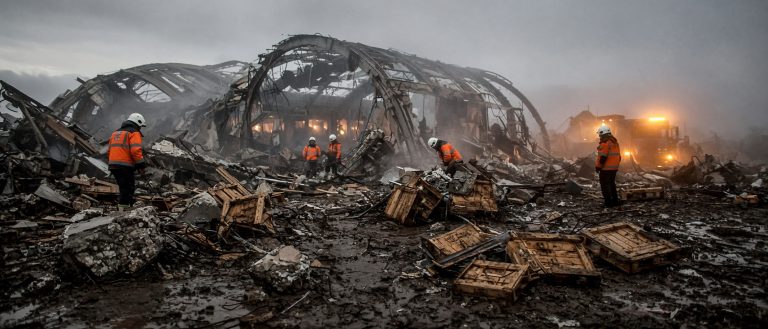
That wave of christian persecution end times violence is not happening in a quiet world. At the same moment, Arab News reported that Iran declared it will use all available means to confront a U.S. naval blockade targeting Iranian oil exports. And along the U.S. Atlantic coast, The Watchers noted that forecasters warned of a strengthening coastal low forming off Florida and tracking up the East Coast on Thanksgiving Day, with heavy rain, strong gusts, coastal flooding, and rough seas from the Carolinas to New England.
When martyrdom, naval standoffs, and roaring seas land in one news cycle, we are watching the exact kind of multi-sign convergence Jesus told us to expect. Not one sign. Not a vague feeling. Three distinct threads, in three distinct regions, all at once.
140 Martyrs in Two Weeks: What Christian Persecution End Times Looks Like in Congo
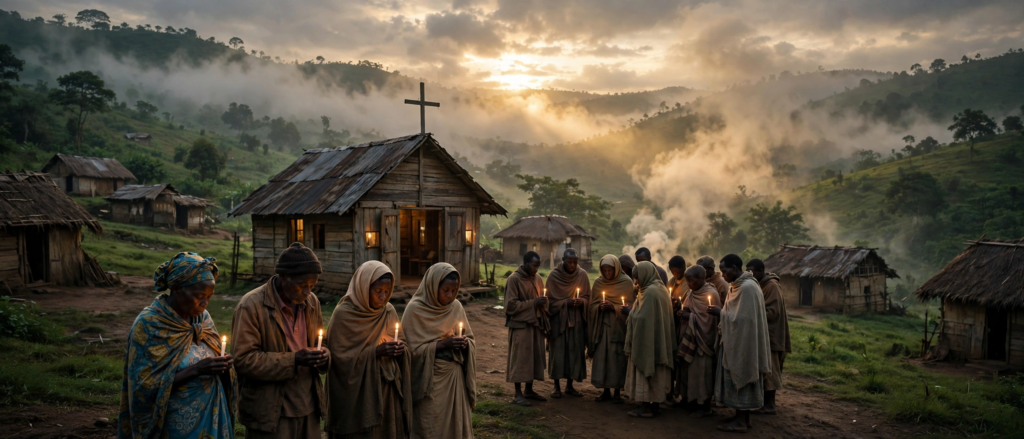
It is easy to skim past a number like 140 and move on with our morning coffee, until we remember that every number represents a husband, a mother, a child, or a pastor who refused to deny Jesus Christ.
To understand Congo, you have to understand the ground. Eastern Congo is not one war. It is layers of war. You have dense forest that is hard to patrol, porous borders, weak state presence, competing armed groups, and communities that have lived through decades of displacement. That is exactly the kind of environment where a group like ISCAP and its Allied Democratic Forces (ADF) allies can operate. They know the terrain. They strike at night. They hit villages, burn homes, and disappear back into the forest before help can arrive.
Across eastern Congo, ISCAP and ADF fighters are not just raiding villages for resources. They are systematically targeting Christian communities and demanding forced conversion at gunpoint. In many of these attacks, captives were forced to convert under threat of immediate death. That is not robbery. That is religious coercion. That is a deliberate attempt to erase Christian witness from a village by fear, by fire, or by forced denial.
Think about what that means for a family in Beni or Mabolo. You do not just lose a home when it burns. You lose your stored harvest, your seed for next season, your identity papers, your Bible, your church records, and your sense of safety. You flee with what you can carry. You sleep in the forest or in a crowded displacement site. Your children ask why you cannot go home, and you do not have a simple answer. And all the while, the world barely notices.
That is why the 140 figure hits so hard. It is not just 140 deaths. It is 140 families shattered, plus hundreds more displaced, plus churches burned, plus health posts destroyed, plus a community that now has to decide whether it is safe to worship openly again.
That kind of targeted violence thrives where governments are weak and regional warfare keeps spilling across borders. As we have tracked in our ongoing analysis of global conflict and widening regional instability, when nations are consumed by military standoffs and geopolitical rivalries, vulnerable believers in places like Congo and Nigeria often suffer out of sight of Western cameras. Yet God sees every tear, and His Word warned us long ago that this hatred would intensify before the end.
Why Congo and Nigeria Keep Appearing Together
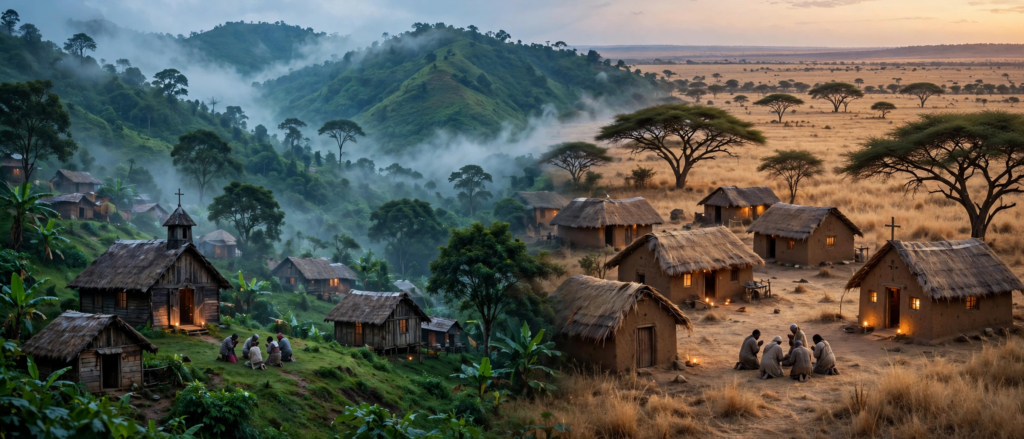
If you follow persecution news for any length of time, you will notice Congo and Nigeria keep showing up in the same reports. That is not a coincidence. Both countries have large Christian populations, both have active jihadist networks, and both have regions where the state struggles to protect rural villages.
In Nigeria, Intersociety reported at least 343 Christian deaths, 202 abductions, 10 churches destroyed, eight pastors abducted, and two pastors killed in just a 40 day window from September 1 to October 10, 2026. In Congo, the pattern looks different on the surface, more forest ambushes and village burnings, but the spiritual root is the same. Believers are being targeted because they bear the name of Jesus.
Open Doors, in its 2026 World Watch List research, found that more than 388 million Christians face high levels of persecution worldwide, about 1 in 7 believers. It also found that around 70 percent of Christians killed for faith related reasons in its study period were in Nigeria, and that Christians in Nigeria and the DRC together accounted for nearly half of all such killings. Those are not abstract numbers. They are a reminder that the center of gravity for modern martyrdom is not in the West. It is in Africa.
And here is the part the West often misses. Persecution does not always look like a dramatic massacre. Sometimes it looks like a pastor who cannot rebuild his church because no one will sell him lumber. Sometimes it looks like a family that cannot get aid because they will not convert. Sometimes it looks like a village that quietly stops gathering on Sundays because gathering makes you a target. The massacre makes the headline. The slow squeeze is what wears a community down over years.
What Scripture Said About Persecution, Distress of Nations, and Roaring Seas
Nearly two thousand years ago, sitting on the Mount of Olives overlooking Jerusalem, Jesus looked His disciples in the eye and gave them an honest preview of what His followers would face:
All these are the beginning of sorrows. Then shall they deliver you up to be afflicted, and shall kill you: and ye shall be hated of all nations for my name’s sake. (Matthew 24:8-9, KJV)
In Luke’s Gospel, Jesus connected that coming wave of persecution with international anxiety and violent unrest across the oceans and skies:
But before all these, they shall lay their hands on you, and persecute you, delivering you up to the synagogues, and into prisons, being brought before kings and rulers for my name’s sake… And upon the earth distress of nations, with perplexity; the sea and the waves roaring; Men’s hearts failing them for fear, and for looking after those things which are coming on the earth. (Luke 21:12, 25-26, KJV)
Notice how clear and sobering Christ’s words are. He never promised His Church an easy cruise into the sunset. He called these compounding pressures the beginning of sorrows, using the Greek word odin for labor pains. Anyone who knows how labor works understands that contractions do not stay gentle or spread apart forever. They grow closer and stronger.
That labor pain picture is key. Jesus was not describing one bad week. He was describing a process. Early contractions can be far apart and easy to dismiss. Later contractions come faster, hit harder, and demand attention. That is what convergence means. It is not that persecution, war, and storms have never happened before. It is that they are now happening closer together, with greater intensity, and with less recovery time in between.
Practicing sound spiritual discernment means we do not set dates or indulge in sensationalism, while still refusing to look away when the very signs Jesus named are unfolding right in front of us. Discernment is not panic. Discernment is not hype. Discernment is steady eyes, open Bible, and a calm heart that says, Lord, help me see what You said, and help me respond the way You want me to respond.
Jesus also gave us a crucial balance in Matthew 24. He warned us, and then He told us not to be troubled. He said, see that ye be not troubled: for all these things must come to pass. That is not denial. That is trust. We can look directly at the horror in Congo, the tension in the Gulf, and the storm on the coast, and still say, God is not surprised. God is not scrambling. God is still on the throne.
The Iran Standoff: Why a Naval Blockade Matters to Everyone
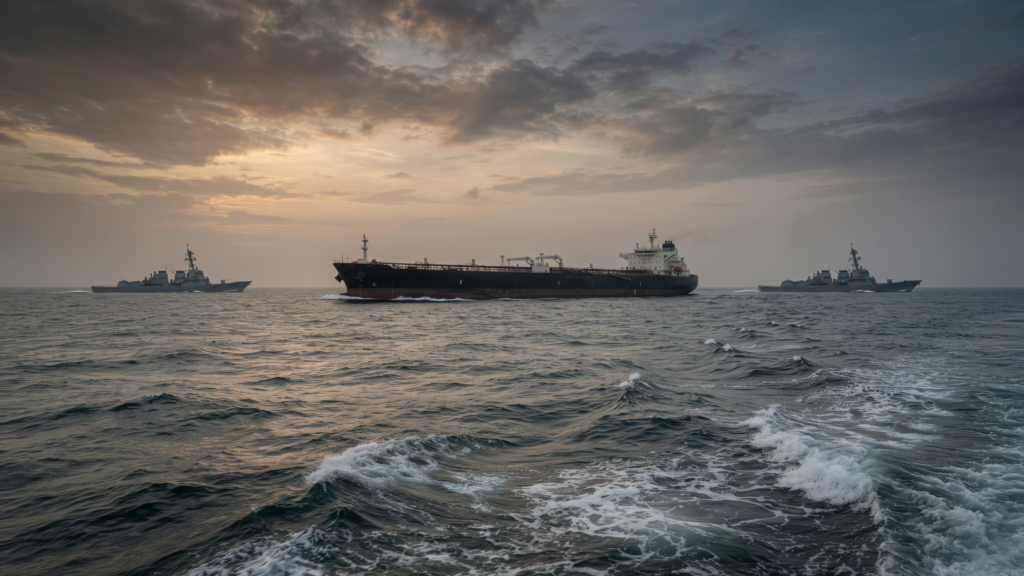
Now let us slow down on the second thread, because a naval blockade can sound abstract until you follow the oil.
Iran declared it will use all available means to confront the U.S. naval blockade targeting Iranian oil exports. That blockade was first imposed in April 2026, temporarily lifted in June, and reinstated in July after negotiations collapsed. By November, reports based on satellite imagery and ship tracking showed more than 14 Iranian tankers gathered near Kharg Island, which handles roughly 85 to 90 percent of Iran’s crude oil exports. Iranian media promoted a possible blockade breaking convoy, sometimes dubbed Operation Fereydoun, in which tankers would sail openly under Iranian flags.
At the same time, shipping monitors reported ship to ship transfers in the Gulf, with tankers turning off transponders during operations. The U.S. widened enforcement to target vessels that receive cargo at sea. Analysts noted that no Iranian crude tanker had been confirmed to have escaped the blockade since July, even as small LPG tankers had slipped through. The Joint Maritime Information Center recorded four attacks in the Strait of Hormuz in 96 hours and rated the threat severe.
Why should a believer in Ohio, or Chile, or anywhere else care about Kharg Island? Because the Strait of Hormuz is one of the narrowest and most important energy chokepoints on earth. When that strait is threatened, energy markets feel it, shipping insurance spikes, food prices shift, and governments start making nervous calculations. That is exactly what Luke described as distress of nations, with perplexity. Nations are not just angry. They are perplexed. They do not know what to do next. They are stuck between bad options and worse ones.
This is not a call to pick a political team. It is a call to watch with wisdom. When you see a nation threatening to break a blockade, and another nation threatening to sink tankers that try, you are watching the kind of high stakes brinkmanship that can turn a regional standoff into a global crisis in a single night. And that crisis would not stay in the Gulf. It would show up at gas pumps, grocery stores, and shipping ports around the world.
The Thanksgiving Storm: Why the Sea and Waves Roaring Still Matters
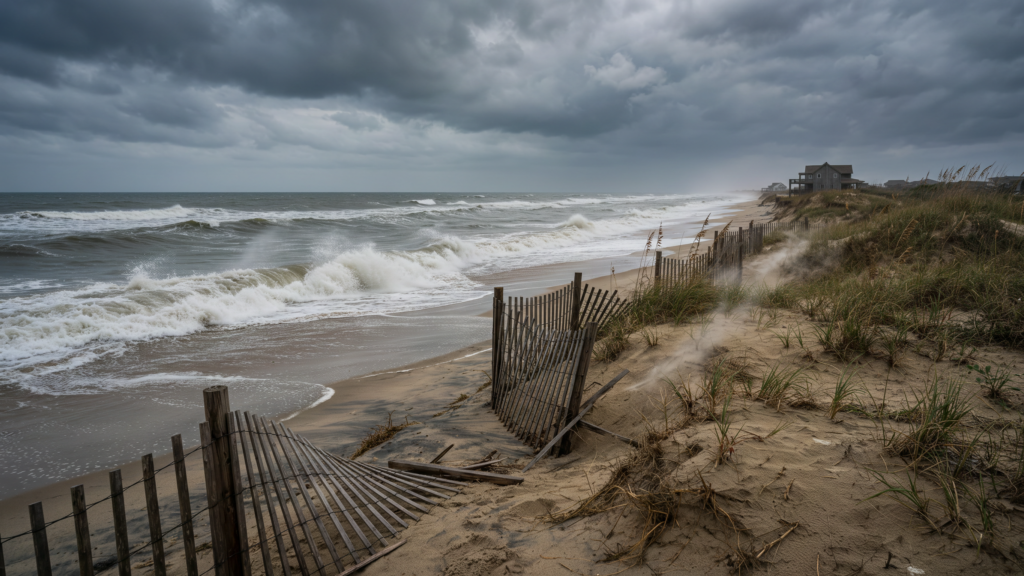
The third thread is closer to home for many American readers, and it is easy to dismiss as just weather. Do not dismiss it too quickly.
Forecasters warned of a powerful holiday coastal storm system forming off Florida and tracking up the East Coast from Wednesday to Saturday of Thanksgiving week. The NOAA Weather Prediction Center expected heavy rain, snow in interior areas, high winds, and coastal impacts from the Southeast through the Mid-Atlantic and into the Northeast. Heavy to excessive rainfall was expected along the immediate coast from South Carolina up to the Virginia Tidewater, with a Slight Risk of excessive rainfall for the coastal Carolinas.
That is not just rain on a holiday. That is millions of people traveling on the busiest travel week of the year, facing flooded roads, delayed flights, power outages, and coastal flooding. It is families who planned to gather for Thanksgiving suddenly checking evacuation maps, storm surge warnings, and road closures. It is first responders working through a holiday while everyone else is trying to get home.
When Jesus said the sea and the waves roaring, He was not giving a weather forecast for one storm. He was describing a world where creation itself groans, where seas rage, where nations feel helpless against forces bigger than their technology. That fits the pattern we have been tracking in global weather extremes and biblical birth pangs. Storms are not proof by themselves. But storms plus persecution plus geopolitical distress, all converging, is exactly the pattern Jesus told us to watch.
So let us be careful and honest. One Thanksgiving storm does not prove we are in the tribulation. One blockade does not prove we are at the end. One massacre, as horrific as it is, does not by itself prove the date. What proves the pattern is convergence. What proves the pattern is frequency. What proves the pattern is intensity. And that is what we are seeing.
The Triple Convergence: Martyrdom, Naval Standoffs, and Coastal Storms
What makes today’s news cycle stand out is not just one isolated tragedy. Believers have faced persecution since the Book of Acts, navies have clashed at sea, and autumn storms have hit the coast before. What is striking is seeing all three biblical sign vectors converge in a single news cycle:
Persecution of Believers (Matthew 24:9; Luke 21:12): At least 140 Christians slain in two weeks in the DRC, pushing 2026 totals past 2,000 in Congo alongside thousands more in Nigeria under jihadist violence.
Global Fear and Distress of Nations (Luke 21:25-26): Iran vowing to use all available means against the U.S. naval blockade on oil exports as Gulf tensions and energy anxieties keep global markets on edge.
The Sea and the Waves Roaring (Luke 21:25): A rapidly intensifying East Coast storm tracking from Florida toward New England on Thanksgiving Day with heavy rain, strong gusts, and coastal flooding, adding to the pattern of global weather extremes and biblical birth pangs.
When faithful believers are killed for Christ’s name in Africa, naval blockades threaten energy lifelines in the Middle East, and Thanksgiving storms lash the Atlantic coast on the same day, those are not random blips. They are converging signposts pointing us straight back to the reliability of Scripture.
Here is a question worth sitting with. If Jesus was right about persecution, and He was right about distress of nations, and He was right about roaring seas, what else was He right about? He was right about His death. He was right about His resurrection. He was right about His return. The same Jesus who predicted the sorrows also promised the rescue. That is why we can look at hard headlines without losing hope.
How We Stand: Pastoral Calm, Vigilance, and Gospel Hope
Reading about 140 believers murdered in two weeks, naval standoffs in the Gulf, and coastal storm warnings right before Thanksgiving can make your heart ache. If your peace rests on comfortable headlines, calm seas, or predictable politics, today’s news will wear you out fast.
Take a deep breath and remember who holds tomorrow. This stuff does not trouble my heart because I know who my King is. Jesus did not give us Matthew 24 to paralyze us with fear. He gave it to anchor our faith. He told His disciples plainly, see that ye be not troubled: for all these things must come to pass. Nothing happening in eastern Congo, the Persian Gulf, or along the Atlantic coast catches God by surprise. The throne of heaven is not empty. Jesus Christ is alive, He is reigning at the right hand of the Father, and He is coming back to wipe away every tear from His people’s eyes.
Here is how we can stand faithful right where we are today:
Stay grounded in biblical discernment: Do not let fear, outrage, or online noise pull you off course. As we share in our guide on fulfilled prophecy and discernment, real watchfulness looks like steady faith, clear thinking, and daily obedience to God’s Word. Read your Bible before you read your feed. Pray before you post. Test every headline against Scripture, not against your emotions.
Pray urgently for our persecuted family: Lift up grieving Christian families in Beni, Mabolo, Cantine-Aloya, and across the DRC and Nigeria. Pray for courage, protection, and comfort for believers standing firm under threat of death, and pray for safety along the East Coast ahead of Thursday’s storm. Pray by name when you can. Pray for the pastors who have to decide whether to gather openly on Sunday. Pray for the mothers who are hiding children in the forest. Pray for the aid workers and health workers who are trying to help Ebola patients after a health post was burned.
Support with action, not just sympathy: If you can give to a trusted persecution relief ministry, do it. If you can share this story with your church, do it. If you can write to your pastor and ask him to pray publicly for Congo and Nigeria this Sunday, do it. Silence is what persecutors count on. Let us not give them silence.
Keep sharing the Gospel while it is day: Every headline reminds us how brief this life really is and how precious eternity is. The only unshakeable refuge in a shaking world is Jesus Christ. Romans 10:9 promises that if thou shalt confess with thy mouth the Lord Jesus, and shalt believe in thine heart that God hath raised him from the dead, thou shalt be saved. If you have not settled where you stand with God, take a moment to explore the gift of salvation through Jesus Christ today. Do not wait for a calmer day. Calm days are not promised. Jesus is.
And if you are feeling heavy after reading this, you are not faithless. You are human. Grief is a godly response to martyrdom. Let that grief drive you to prayer, not to despair. Let it drive you to love your neighbors well, to hug your family tighter, to forgive quickly, and to live like eternity is real, because it is.
Keep looking up, love your neighbors well, and stand firm until He comes.
Just as predicted. Stay ready. Keep looking up.
Sources
Arab News – Iran says will use all available means to confront US naval blockade
The Watchers – WPC flags Slight Risk of excessive rainfall for coastal Carolinas