Strategic Petroleum Reserve Iran war oil shortage
The World Isn’t Short on Oil. It’s Short on Ways to Get It to You.
The Iran war didn’t empty the earth of oil — it exposed how thin the margin has become between abundance and shortage. So what is happening with the Strategic Petroleum Reserve Iran war oil shortage
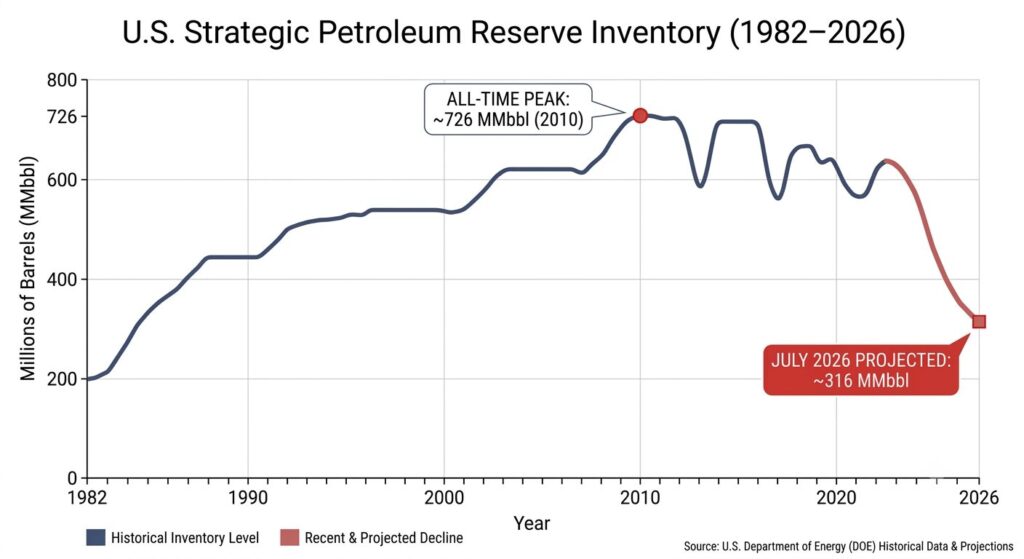
Here’s a number I’ve been turning over for a few weeks now: 316.5 million barrels. That’s what’s sitting in America’s Strategic Petroleum Reserve as of July 10, 2026, according to the U.S. Energy Information Administration. A year ago, that number was closer to 402.7 million. That’s a drop of about 21% in twelve months.
For those who haven’t spent their evenings reading EIA reports — and honestly, why would you — the Strategic Petroleum Reserve, or SPR, is the nation’s emergency stash of crude oil. Built into salt caverns along the Gulf Coast, it exists for exactly one purpose: to buy the country time if something goes seriously wrong with the normal flow of oil. It’s not meant to run the economy. It’s meant to cushion a shock.
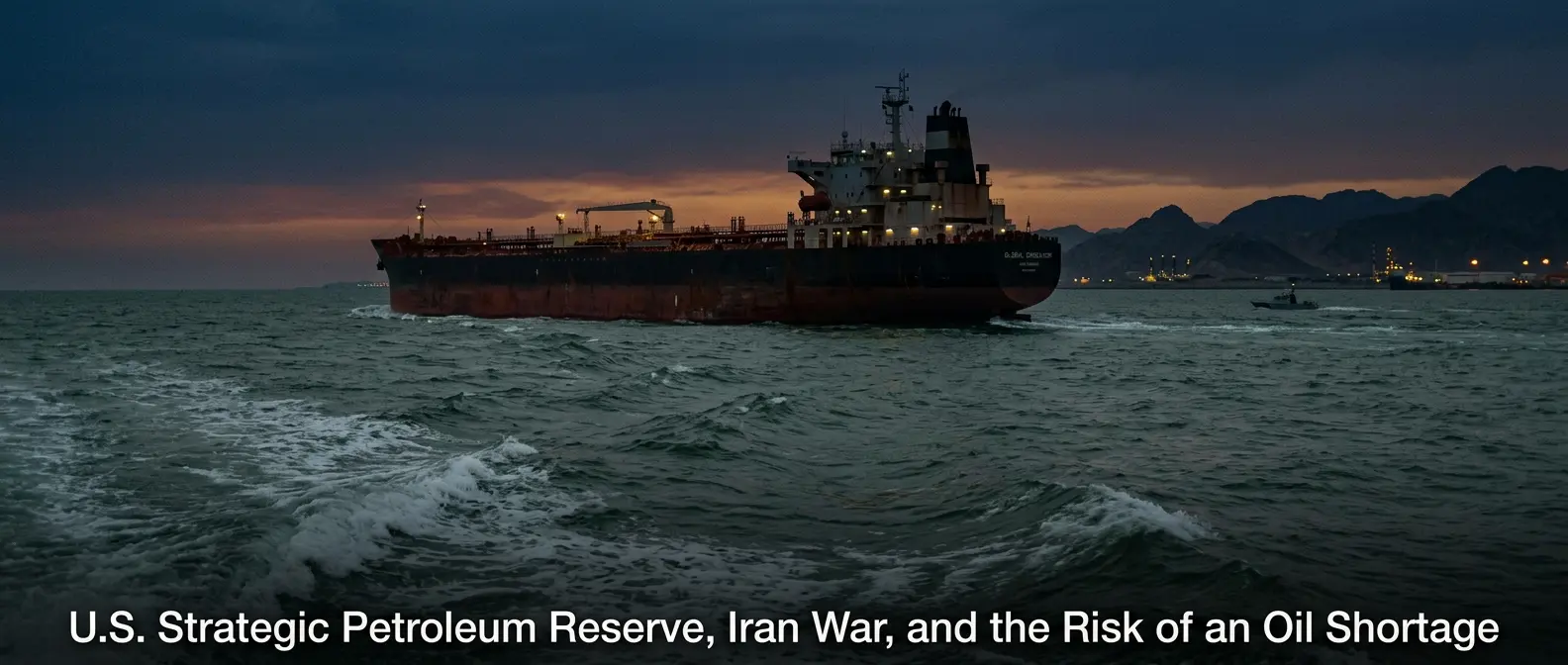
And this year, we got a shock. A war broke out involving Iran, right next to one of the most important stretches of water on the planet. So here’s the question a lot of us are quietly asking: if our own emergency reserve is shrinking while a war threatens the world’s oil supply, are we watching the early chapters of a genuine global oil shortage?
Stick with me. The answer is more interesting — and a little different — than the headlines suggest.
316.5 Million Barrels: What’s Actually Left in the Tank Strategic Petroleum Reserve Iran war oil shortage
Let’s start with what we actually know, because the numbers here are specific enough that we don’t need to guess.
The U.S. Strategic Petroleum Reserve current level sits at roughly 316.5 million barrels, down from a historical peak of about 726.6 million barrels, according to the EIA’s Weekly Petroleum Status Report. To put that in perspective: the reserve’s authorized capacity is about 714 million barrels, which means we’re currently sitting at roughly 44% full — according to the Department of Energy’s SPR Quick Facts. Add in commercial crude inventories of about 409.7 million barrels, and total U.S. crude stocks — reserve plus commercial — come to around 726.2 million barrels.
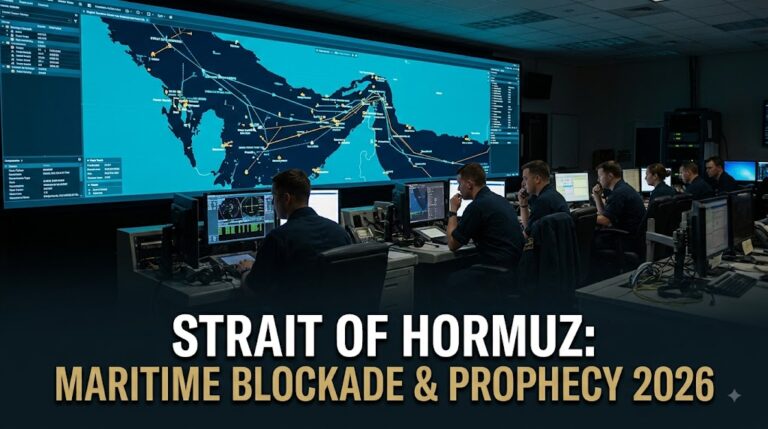
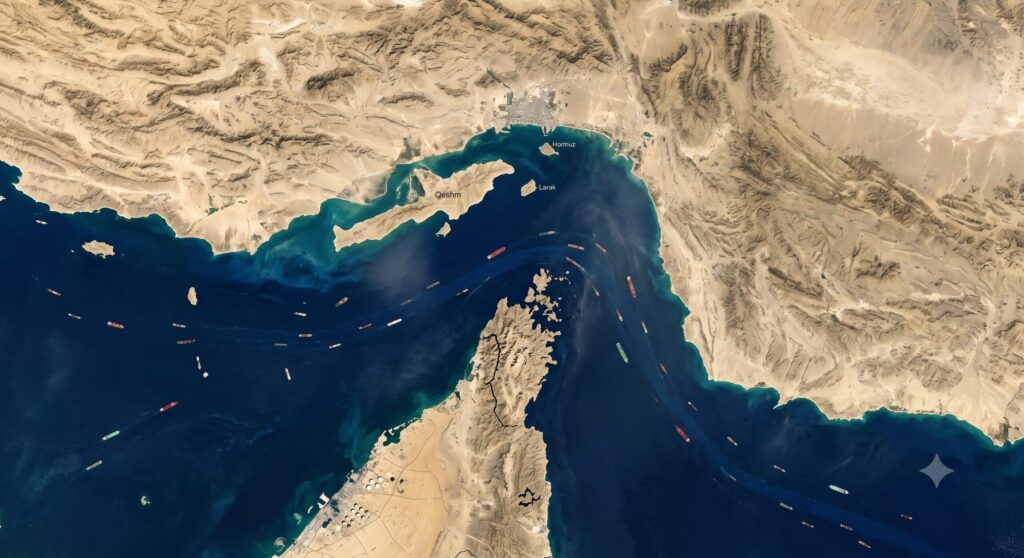
Now for the part that actually made this a story instead of a spreadsheet. Iran sits right beside the Strait of Hormuz oil supply route, a narrow passage that, before this war, carried an estimated 20 million barrels of crude and petroleum products a day — a huge share of everything traded internationally. During the worst stretch of the conflict, that flow reportedly dropped to a trickle, according to the EIA’s Short-Term Energy Outlook on global oil markets. That’s not just Iran’s oil at risk. That’s Saudi Arabia’s, Iraq’s, Kuwait’s, Qatar’s, and the UAE’s — all funneling through the same narrow strip of water.
Here’s the strongest piece of evidence in this whole story, and it’s worth sitting with: this crisis wasn’t really about Iran oil exports specifically. It was about oil shortage 2026 risk created by geography. One chokepoint. Most of the region’s exports. A lot of exposure.
Half-Full Isn’t the Emergency — Half-Full During a War Is
So is 44% full unusual? Honestly, I don’t have a clean historical baseline in front of me for what a “normal” draw-down looks like outside of a crisis, and I’d rather tell you that plainly than pretend I do.
What we can say with confidence is this: it’s not the 44% by itself that should get our attention. It’s the 44% happening at the same time as a live regional war disrupting the world’s most important oil chokepoint. Two weak points, leaning on each other, at the same moment. That’s not a coincidence worth ignoring — it’s a stress test worth paying attention to.
And the stress didn’t start with the shooting. The International Energy Agency reported that global observed oil inventories were already falling by hundreds of millions of barrels in March and April — before the worst of the fighting. The tank, so to speak, was already low before the leak got worse.
I’d love to hand you a named expert with a sharp quote about all this. But the honest truth is the research behind this article turned up plenty of solid data and no verified, quotable expert commentary I’m comfortable putting my name — or Samuel’s — behind without double-checking the wording first. So we’ll let the numbers do the talking instead. They’re doing plenty.
A world that hears of war in one region and feels it in every gas tank a month later is a smaller, more fragile world than it looks. And Scripture has quite a bit to say about a world like that.
Wars, Rumors, and a Measure of Wheat for a Penny
Jesus was asked a direct question by His disciples: what would the signs be that His return was drawing near? Part of His answer was this:
“And ye shall hear of wars and rumours of wars: see that ye be not troubled: for all these things must come to pass, but the end is not yet. For nation shall rise against nation, and kingdom against kingdom: and there shall be famines, and pestilences, and earthquakes, in divers places.” — Matthew 24:6–7
I don’t think it’s a stretch to say a war disrupting global oil flow, and the ripple effects that follow it — higher fuel costs, tighter supply, nervous markets — fits comfortably inside that description. Nation rising against nation. And the rest of us, thousands of miles away, feeling it in ways we didn’t expect. I’m not going to tell you this is the fulfillment of that verse. I don’t know that, and neither does anyone else writing about it. What I’ll say is this looks a whole lot like the pattern Jesus described, playing out in a way we can actually measure with barrels and shipping lanes instead of guesswork.
There’s another passage that gets brought up whenever scarcity and economic strain show up together:
“And when he had opened the third seal, I heard the third beast say, Come and see. And I beheld, and lo a black horse; and he that sat on him had a pair of balances in his hand. And I heard a voice in the midst of the four beasts say, A measure of wheat for a penny, and three measures of barley for a penny; and see thou hurt not the oil and the wine.” — Revelation 6:5–6

I want to be careful here, because this one gets stretched further than it should. Bible scholars have long connected this passage to economic scarcity and rationing — that part is well established. But I’m not going to stand here and tell you “oil and wine” in Revelation 6 is a direct prediction about 21st-century petroleum markets. That’s reading something into the text the text doesn’t claim for itself. What I will say is this: a world experiencing measured scarcity, careful balances, and anxiety over resources looks a lot like the picture John was shown. Consistent with it. Not proof of it.
One more, because it captures the whiplash of this whole story:
“For when they shall say, Peace and safety; then sudden destruction cometh upon them, as travail upon a woman with child; and they shall not escape.” — 1 Thessalonians 5:3
A global oil system that looked stable in January and was rationing shipping lanes by summer — that’s the exact kind of sudden reversal this verse describes. Again: thematic, not predictive of this specific war. I want to be honest about that distinction every time.
Here’s my honest read, and I hold it the way I hold most of these things — firmly, but humbly. I’ve believed for a while now that the COVID lockdowns back in 2020 marked something like the “beginning of sorrows” Jesus mentioned in Matthew 24 — and that since then, we’ve watched global tension escalate in both frequency and intensity. This oil story fits right into that same pattern for me. Not as a new, isolated alarm. As one more data point in something that’s been building for a while.
Not everyone reads it that way, and their reasons deserve a fair hearing. A lot of energy economists would tell you this is simply how markets behave — prices spike, production increases, demand adjusts, substitutes get found — no prophetic framework required to explain any of it. And energy-security analysts would point out that concentrated production and vulnerable chokepoints like Hormuz have existed for decades; this war exposed an old weakness, they’d argue, rather than created a new sign. Both of those are reasonable positions, and I don’t think either one is dishonest.
What I don’t know — and I’ll say this plainly — is whether this specific conflict belongs to the final stretch of that “one generation” timeline from 1948, or whether it’s simply one more Middle East conflict in a long line of them. Some of this is sealed. I don’t know more than that, and I’m not going to pretend otherwise.
One War, Three Fronts: Oil, Inventory, and a Reserve Running Thin
While this report focuses specifically on the SPR and the Iran war, it doesn’t stand alone even within its own story. Two other data points are worth naming here.
First, that inventory drawdown I mentioned earlier — the IEA’s report showing hundreds of millions of barrels disappearing from global stockpiles in March and April — happened before the worst fighting. That tells us the system was already leaning on its reserves before the war made things worse.
Second, the EIA revised its global oil production forecast upward only after the Strait of Hormuz reopened under a June 18 memorandum of understanding between the U.S. and Iran. Think about what that means: the entire global supply outlook was hostage to one diplomatic agreement holding.
Three fronts, one underlying weakness. This isn’t three separate stories. It’s one system under strain, showing the same fragility from three different angles: reserves, inventories, and diplomacy. This is not chaos. It’s a pattern. And pattern implies an Author who isn’t surprised by any of it.
Why Watching the Oil Numbers Isn’t the Same as Fearing Them
So what do we do with all this?
I don’t check SPR reports because I’m anxious about them. I check them because Jesus told us to stay awake — and watching, for me, means paying attention to the world the way you’d watch a weather pattern, not the way you’d watch a countdown clock. We don’t know the day or the hour. Nobody does. Not the barrels in a Gulf Coast salt cavern, not a shipping lane, not a headline — none of that tells us the timing. What it tells us is that the world we live in is exactly as fragile as Scripture said it would be, and that ought to sober us, not scare us.
If this stirs something in you — some sense that the ground is shifting more than it used to — that’s okay. That’s actually the right response. And here’s the part I keep coming back to: a book written thousands of years before pipelines, tankers, or global shipping lanes existed described the mechanics of war-driven scarcity with startling accuracy. That’s not something I’m asking you to take on faith alone. It’s worth your honest attention, on its own merits.
The Bottom Line
The world isn’t running out of oil. It’s running out of room for error — and that’s a distinction worth sitting with, not sitting past.
This is not chaos we’re watching. It’s prophecy, described two thousand years ago, playing out in barrels and shipping lanes we can actually count. And a book that got the pattern right is a book worth trusting on the parts we haven’t seen yet.
If this kind of watching resonates with you, we’ve got a whole series built around exactly this — tracking these signs one at a time, with the evidence out front where you can see it. Come explore the rest of the Signs series with us.
Watching with you, —Samuel
DELIVERABLE 4 — SOURCES
Sources:
- U.S. Energy Information Administration, “Weekly Petroleum Status Report, Week Ending July 10, 2026”
- U.S. Energy Information Administration, “Stocks of Crude Oil, SPR”
- U.S. Department of Energy, “Strategic Petroleum Reserve”
- U.S. Department of Energy, “SPR Quick Facts”
- U.S. Energy Information Administration, “EIA increases global oil production forecast after the opening of the Strait of Hormuz”
- U.S. Energy Information Administration, “Short-Term Energy Outlook: Global Oil Markets”
- International Energy Agency, “Oil Market Report — June 2026”
- International Energy Agency, “Oil Market Report — May 2026”
- Energy Institute, “Statistical Review of World Energy”
- Reuters, “Why oil prices haven’t gone crazy despite 5 months of US-Iran war”